AI Showdown 2025: Comparing ChatGPT, Gemini, and Claude
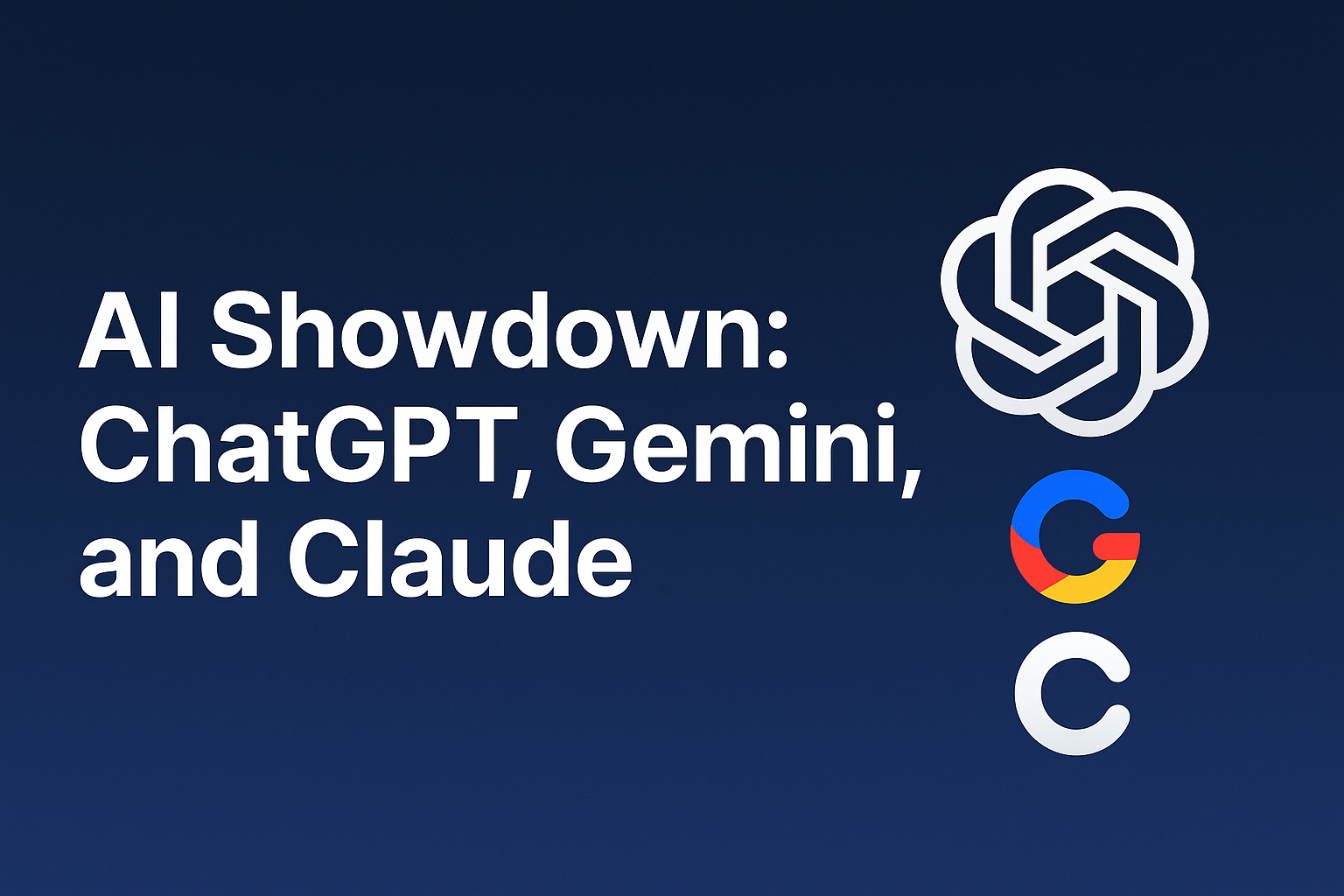
Today, AI tools like ChatGPT, Gemini, and Claude are changing how words get on a page. Picking the right AI makes the difference between “just OK” and stand-out content. Let’s dig into how these big-name tools stack up in the battle of ChatGPT vs Gemini vs Claude, so you can see what works best for you.
The Changing Landscape of AI Writing
AI writing tools used to just finish your sentences or help you check spelling. Now, they draft, edit, research, and even match your personal style. That means more people can write faster and with fewer blocks in their way.
Each tool brings a different strength. ChatGPT, Gemini, and Claude don’t just write—they can check facts, adjust tone, and break down complex ideas. Writers can pick a tool that matches their exact needs. For example, a teacher can use an AI to write worksheets, while a blogger can use it to brainstorm stories. This new flexibility lets teams work faster and add more creativity to their projects.
These tools aren’t just for experts. Anyone can use them with a little practice. The best part? You don’t need to be techy to get great results. The right AI is like having a helper who gets smarter each day.
Writing Style & Voice: From Versatile to Vibrant
When you look at different AIs, you’ll notice each one writes in its own way. ChatGPT is like a chameleon. It can change its tone from funny to serious and tackle almost any type of writing. This makes it great for everything from guides to social posts.
Gemini, on the other hand, is clear and to the point. If you want facts laid out simply, Gemini delivers. It’s strong in explaining things and making sure the message is easy to follow. Teachers and people who write tutorials love that.
Claude stands out for its depth. It likes to dig into details and offer careful, reasoned answers. If you want to discuss complex topics or need a thoughtful review, Claude is the go-to.
Each AI brings something special. So, if you want your blog to sound fun and lively, you might start with ChatGPT. For clear, factual info, Gemini is a smart pick. Need analysis or a careful review? Claude is ready to help.
Research Accuracy & Real-Time Awareness
Sometimes, what really matters is having fresh, accurate info. Gemini and Grok shine here. They connect to live web data, so updates and breaking news are right at your fingertips. If you write about daily trends or need current events, these tools are tough to beat.
Claude, meanwhile, is careful. It checks facts and is not afraid to say when it’s unsure. Some might find it cautious, but it’s great for research where you can’t afford to get things wrong.
ChatGPT balances things out. It gives solid answers, and when you pair it with its browsing tools, it gets even better. For best results, feed it sources or let it check the web. This way, you get both clear logic and timely facts.
When you’re choosing, think about what really matters to you. Fast, up-to-date info? Go with Gemini. Want careful, deep answers? Claude is a safe bet. If you want a mix of both, ChatGPT offers balance and flexibility.
Workflow Integration & Ecosystem Compatibility
How well an AI fits into your daily routine makes a big difference. ChatGPT supports APIs and plugins, so you can tweak it or use it with your favorite apps. You can save conversations and pick up right where you left off, making it useful for both solo projects and team work.
Gemini feels like a natural fit for anyone using Google’s tools. It connects with Docs, Sheets, and Gmail. Need to draft an email, research a topic, and drop it into a document? Gemini makes that flow easy.
Claude is built for long, complex projects. Its clean interface lets you work with big documents, which is handy for teams working on reports or legal content. When considering Gemini vs Claude, or Gemini vs ChatGPT vs Claude, think about your specific needs.
Grok (often paired in comparisons) fits best for punchy, fast content. But the others are more versatile for detailed workflows.
Think about where you spend your time. If you work in Google Workspace, Gemini may save you clicks. If you want to build your own workflow, ChatGPT gives you lots of ways to connect. Claude fits projects that need careful attention and long reads.
Best AI for Niche Blogging Categories
Not every blog is the same, and neither is every AI. If your topics jump from tech to lifestyle, ChatGPT lets you switch tones with ease. It’s strong in both creative work and step-by-step guides.
Gemini fits blogs that need numbers, facts, or research. Scientific blogs, news updates, and data-heavy posts benefit from its accuracy.
Claude is great for deep dives—ethics, legal topics, or detailed commentary stand out with its help. It’s a favorite for people who want more than surface-level answers.
Grok, while less common, works for speedy, bold opinion pieces and blogs that want to make a splash.
So, when picking an AI, match it to your content. Creative work? ChatGPT. Reports and facts? Gemini. Analysis or policy? Claude.
Pricing & Accessibility Snapshot
Worried about cost? Each tool offers free ways to get started. ChatGPT is free for the basic version, but if you want the latest features, you’ll pay a monthly fee. Gemini keeps its main tools free, with “Gemini Advanced” adding more for a price. Claude lets you try for free and only pay if your use grows, which works well if you don’t write every day. Grok is bundled with X Premium, so it’s less of a stand-alone tool.
This means you can try each one without spending money up front. If you need more power or extra features, there’s a plan for that too.
Real-World Use Cases: Matching AI to Blog Goals
Let’s say you run a travel blog. You want fun stories, up-to-date info, and maybe some quick facts about each place. ChatGPT helps you mix friendly stories with clear travel tips. If you need the latest travel warnings or event info, Gemini’s live web access fills that need.
Suppose your blog focuses on tech reviews or news. Here, Gemini pulls real-time updates and keeps your info fresh. Claude offers thoughtful takes on tech ethics or in-depth analysis of new gadgets.
Writers who bounce between different topics might start drafts with ChatGPT, then use Gemini or Claude to check facts or add detail. Some bloggers even use more than one AI to get the best mix of creativity, depth, and accuracy.
Prompting Tips to Get the Best Output
Getting the best from your AI means knowing how to ask. ChatGPT works great when you give it lots of details, like “Write a friendly intro about hiking tips, then list five easy trails for beginners.” Add style and structure so it knows what you need.
Gemini loves clear directions. Ask, “Summarize today’s weather in London with sources,” and you get a solid answer.
Claude likes context. Tell it your goal, like, “Help me explain privacy laws to parents in simple terms.” It follows your lead and keeps things clear.
Grok responds best when you keep it simple and direct. “Give me three bold reasons to start coding.” That’s its style.
Try different prompts and see how the replies change. The more you use each tool, the more you see what works.
Combining AI Tools for Maximum Impact
Few people use just one AI anymore. You might brainstorm blog titles with ChatGPT, fact-check stats with Gemini, and ask Claude to refine your tone or check for bias. Mixing tools saves time, cuts down on edits, and gives you better content in less effort. Wondering what AI is best at reviewing files, Gemini GPT offers some unique capabilities here.
This “combo” approach is popular in big teams. One person drafts, another fact-checks, and a third does the final review—all with the help of different AIs.
A Quick Review
To sum it up, here’s what stands out about each tool:
- ChatGPT is flexible. It adapts to any writing style or topic.
- Gemini is sharp with facts and research, perfect for blogs needing fresh info.
- Claude is deep and careful, making your content more thoughtful.
- Grok, for those who want fast and bold, rounds out the mix.
Each tool has free options, so you can try before you decide. Think about your writing goals, test a few AIs, and pick the helper that feels right.
FAQs
What is the main difference between ChatGPT, Gemini, and Claude?
ChatGPT is flexible with tone and style, Gemini nails real-time facts, and Claude is all about depth and careful analysis.
Can I use more than one AI for a single blog post?
Yes! Many writers combine tools—maybe start with ChatGPT, check facts with Gemini, and get Claude to review the tone.
Which AI is best for school projects?
ChatGPT and Gemini are both helpful. Use ChatGPT for creative writing and Gemini for reports or fact-based projects.
Is it expensive to use these AIs?
No. Each offers free access. You only pay if you want more features or higher usage.
How do I get better answers from these tools?
Be clear and detailed with your prompts. Try giving the purpose and style you want, and adjust your question if the reply isn’t what you expected.