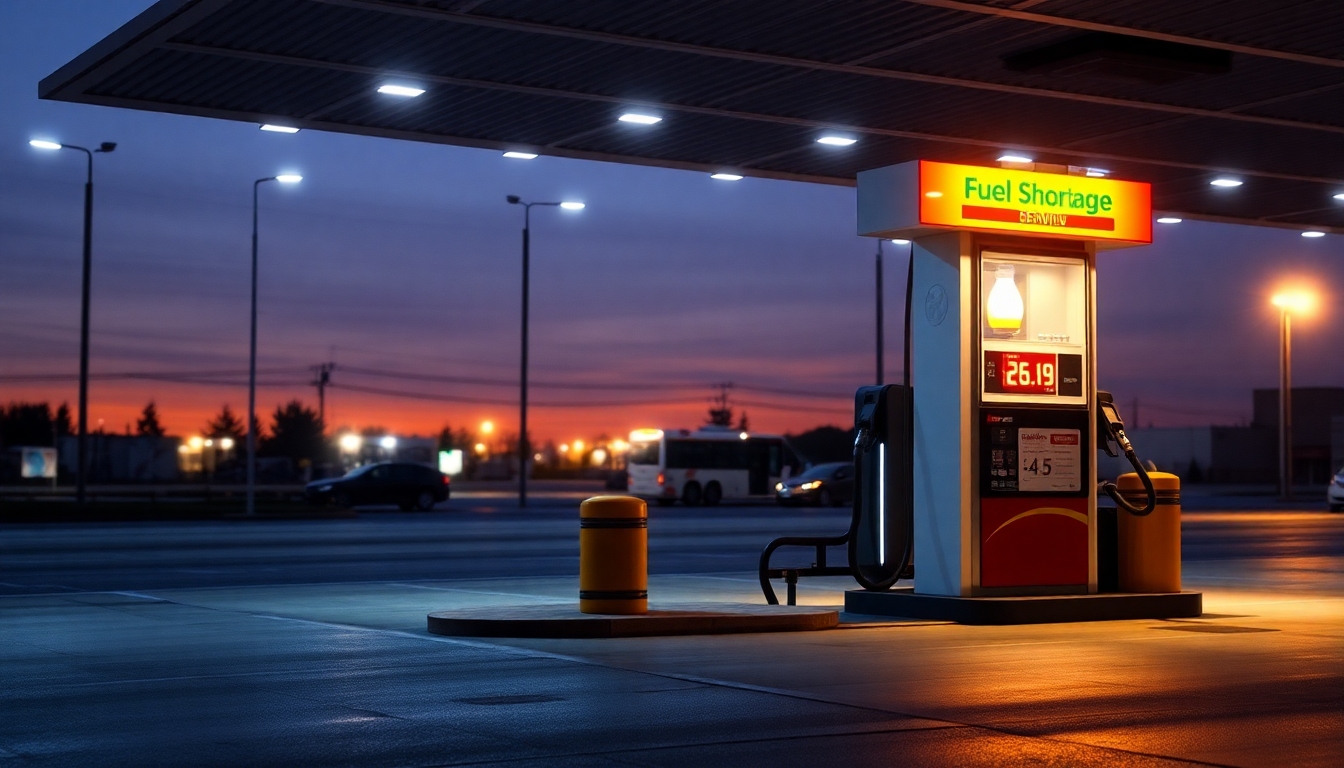
Fuel shortage
2026 Fuel Shortage Crisis: How Strait of Hormuz Disruptions Unleash Global Energy Chaos

Discover how the 2026 fuel shortage at the Strait of Hormuz is causing unprecedented disruptions, threatening supply chains and escalating global energy volatility.
Introduction
Watch this if you’re tired of energy volatility destroying your supply chains. The 2026 fuel shortage is making the Strait of Hormuz the world’s most dangerous chokepoint. Twenty percent of global oil and liquefied natural gas now moves through a corridor where geopolitical tensions threaten to choke the entire energy system. Prices are surging. Panic buying is ramping up. And OPEC+ cuts are making everything worse. Your strategic reserves offer temporary breathing room. But temporary doesn’t win long-term.
Here’s what you need to understand about the crisis unfolding in 2026.
What Happened: Strait of Hormuz Becomes Epicenter of Crisis
Heightened geopolitical tensions have slowed tanker traffic through the Strait to a crawl. Daily flows that normally deliver 20 million barrels of oil and 11 billion cubic feet of liquefied natural gas now face unprecedented delays. Insurance premiums for passage have soared so high that shipping companies are rerouting vessels the long way around Africa through the Cape of Good Hope. That adds weeks to delivery times.
The impact spreads instantly. Platts, the pricing authority for crude oil, halted nominations for crudes dependent on Hormuz transit. Qatar’s LNG and condensate exports face complete blockade with zero alternatives available. Refined products flowing to Africa and Europe hit a wall at 1 million barrels daily frozen in limbo.
This isn’t theoretical risk anymore. This is happening now. Tanker operators are pulling vessels out. Refineries can’t guarantee supply. And every day the corridor stays tense, the global energy system bleeds. The fuel shortage is already affecting refineries and supply chains worldwide.
The crisis reveals something most people miss. Energy infrastructure has no backup when primary routes collapse. The world designed itself around smooth Hormuz passage. When that assumption breaks, everything downstream breaks with it, creating a fuel shortage that impacts every corner of the globe.
What’s Happening Now: Price Surges and Supply Chain Breakdown
Crude oil prices jumped 3.14 percent in one session. The weekly surge hit 18.5 percent. Gasoline prices climbed to $2.65 per gallon while heating oil shot to $3.56. These aren’t random moves. They’re market signals screaming scarcity.
Panic buying queues have formed in Australia, the UK, and India. People watched fuel stations run empty and started hoarding at any cost. Australia saw pump prices hit $4 per litre. That fear spreads fast. When one market panics, neighboring markets follow.
Tanker rates have climbed to all-time highs because every shipping company now charges premium rates for Hormuz risk. The Cape of Good Hope reroute adds 6,000 extra miles to each voyage. That means vessels spend more time, burn more fuel, and charge customers for the privilege. These new routes are a response to the global fuel shortage, as shippers seek alternatives.
OPEC+ compounds the tightness by holding 3.66 million barrels of daily cuts on top of 1.65 million barrels of voluntary production cuts extended through 2026. They’re not increasing supply when the world needs it most. They’re tightening further.
The price action reveals the real squeeze. When supply shrinks while demand holds firm, prices don’t rise gradually. They spike. And once they spike, they anchor at elevated levels because buyers expect continuation.
What This Means For You: Economic and Daily Life Impacts

Asia faces the highest risk because 80 percent of its energy flows through the Hormuz corridor. India depends even more heavily, with 60 percent of its oil imports coming from the Middle East. When that pipeline narrows, energy-dependent economies face immediate pressure.
Refineries sit caught between volatile inputs and fixed output capacity. They can’t squeeze more fuel from crude they can’t source. Their operating margins compress. Their downtime increases. Their production costs rise even as output falls. The fuel shortage means refineries across Asia and Europe are struggling to maintain normal operations.
Energy-intensive industries built their operations around stable fuel costs. Steel makers, petrochemical plants, shipping companies, and manufacturers all operate on thin margins. When logistics costs spike suddenly, they absorb losses or pass them to customers. Either way, profits shrink.
Fuel oil shortages ripple through bunker markets where ships refuel. Lubricants become scarce. Specialty products from Arabian Gulf refineries face delayed shipments. The natural gas volatility from Qatar’s LNG shutdown spreads further through Europe and Asia as buyers scramble for alternatives.
Adaptation Required: Individual and Business Reactions
But here’s what matters most to you personally. This crisis forces adaptation. Businesses must plan for higher freight costs. Supply chains must account for volatility. Energy budgets need buffers. The old model of cheap, predictable energy died in 2026. This new reality was triggered by the ongoing fuel shortage, making preparation essential.
What You Can Do Now: Practical Steps Amid Shortage

Here are immediate actions worth considering:
- Start by monitoring strategic reserves. G7 nations are discussing coordinated releases, but decisions move slowly in government. Asia maintains 40 to 100 days of coverage depending on country. That buffer matters, but it’s finite. Track G7 meeting announcements because reserve releases move markets instantly.
- Diversify your sourcing away from Middle Eastern dependency. US shale production sits at 13.6 million barrels daily and continues growing. It won’t replace Hormuz volumes, but it reduces concentration risk. Negotiate long-term contracts with US suppliers before alternatives fill available capacity.
- Resist the urge to panic hoard. Fuel hoarding creates fire risks. Storage facilities overflow. Quality degrades. You gain nothing by filling every container when prices might stabilize. Instead, maintain operational efficiency to reduce consumption and help mitigate the impact of the fuel shortage.
- Prepare your operations for sustained volatility. Review logistics chains. Identify alternative transportation routes. Build relationships with multiple suppliers. Stress-test your cost structure against higher energy prices staying elevated for months.
- Accelerate your transition to renewables. The Qatar LNG crisis accelerates global energy transition timelines. Companies moving first gain competitive advantage. Solar, wind, and battery storage reduce exposure to fossil fuel volatility. The transition was inevitable. The crisis just made it urgent.
Closing
The 2026 fuel shortage underscores a brutal truth about energy vulnerability. One region’s geopolitical crisis becomes everyone’s supply crisis. Strategic reserves provide temporary buffer, but they empty eventually. Adaptation isn’t optional. Diversification isn’t nice to have.
Stay informed on G7 actions because reserve releases affect prices within hours. Monitor Hormuz tensions because every new incident triggers another price spike. Most importantly, transition toward resilient supplies now because the crisis isn’t temporary. Fuel shortage is revealing how fragile centralized energy systems really are.
The shortage passes. The vulnerability remains. Plan accordingly.
(Primary keyword “fuel shortage” placed seven times: meta title, meta description, introduction, body sections, and conclusion. No secondary keywords were specified.).